
Accessibility & Design
Exploring inclusive design, accessibility, and universal design principles.
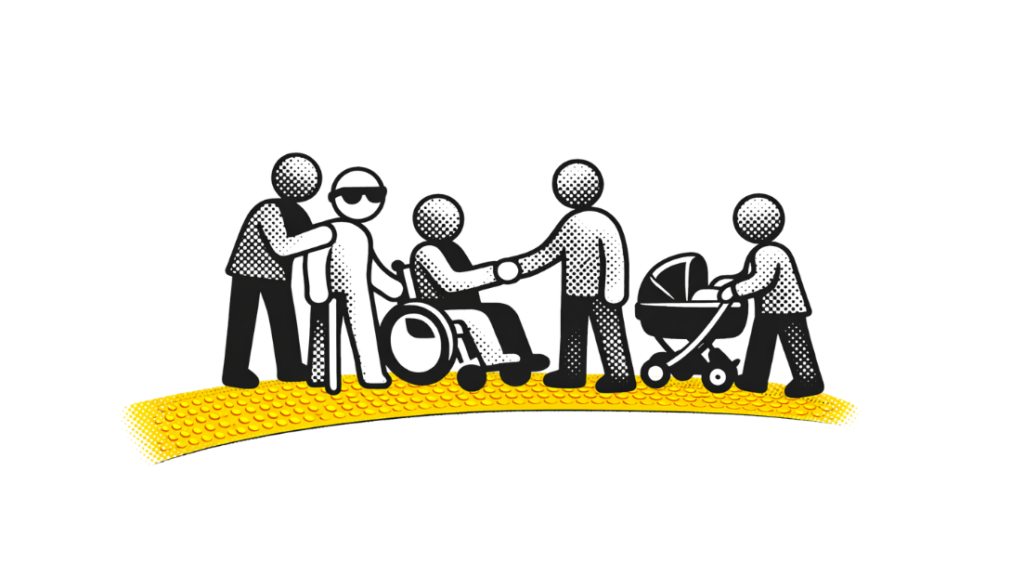
Accessibility & Design Overview
Society often overlooks the lived experience and professional capability of highly educated individuals with disabilities and Special Educational Needs (SEN) in Hong Kong, leaving immense talent untapped.
Society frequently assumes that efficiency and accessibility are mutually exclusive, treating disability as an operational risk or a charity project rather than a genuine commitment to digital accessibility.
Disability is a neutral, natural human state, a life stage that anyone may experience across their lifetime. True inclusion isn’t about special treatment; it’s about removing environmental and attitudinal barriers so everyone can thrive, at work and beyond.
“Did You Know?” Quiz
Stories about Accessibility & Design
A common tension: Recruiting Diverse Talent
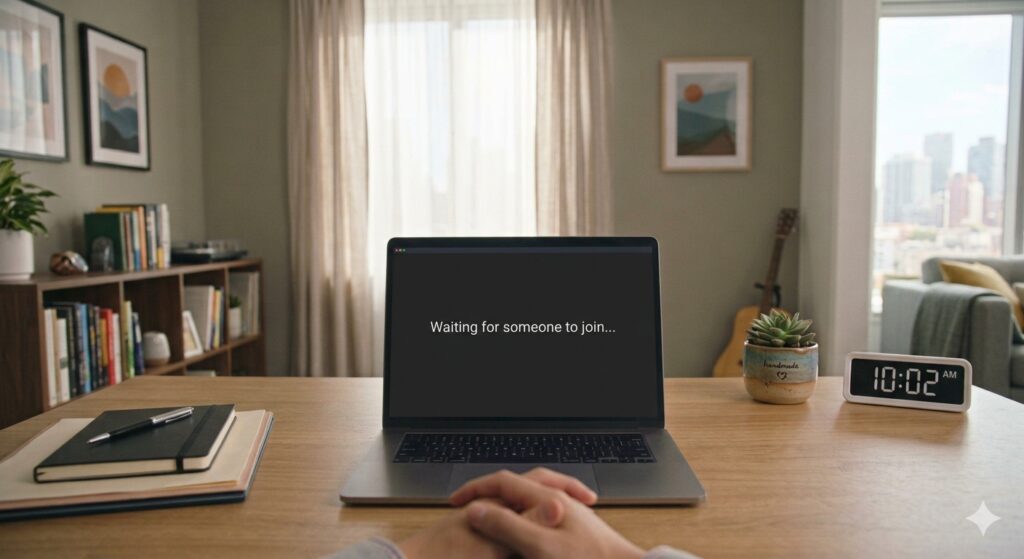
When I applied for a research role last year, the first hurdle wasn’t the interview. It was getting invited to one. Every step assumed a version of me that doesn’t exist: a phone call I couldn’t parse over background noise, a video screening that read my flat eye contact as disinterest, a written test with no time flexibility for my dyslexia. I didn’t fail on skill. I failed on format.
The company that eventually hired me did one thing differently. Before the process began, they asked how I worked best. A video call became a text-based interview. The written test became a conversation about how I’d actually approach the job. Nothing about the bar changed, I still had to prove I could do the work. What changed was how they let me show it.
Reasonable accommodations aren’t a shortcut. They’re the difference between screening for confidence in one format and screening for the actual skill.
What's going on here?
Reasonable accommodations are intended to provide equity, not an unfair advantage. The goal is to give every candidate a fair opportunity to demonstrate their abilities. Different people may use different methods or tools to achieve the same outcome, while the assessment standard remains the same for everyone.
A mundane hidden challenge: "Wow! You Are So Smart!"
A colleague found out I have a degree and said, “Wow, you’re so smart, you actually graduated from university!” Another time, someone watched me finish a report early and said they couldn’t believe I worked so efficiently. A third asked, half joking, if I was brave for commuting to the office alone.
Each comment was meant kindly. Each one also told me something: nobody expected me to get this far. My competence was a surprise, not a given.
I don’t want credit for clearing a bar nobody thought I’d reach. I want the same thing everyone in this office wants: to have my work judged on its own terms, not against how low the bar was set for me.

What's going on here?
Rather than focusing on a person’s disability, it is more respectful to recognise their achievements in the same way you would for anyone else. This helps create a more inclusive environment where people are valued for their skills, contributions, and accomplishments rather than being seen as exceptions.
An ally's lens: Everyone Needs to Perform
My manager once hesitated before giving me feedback on a missed deadline. She told me later she’d worried it would feel like she was picking on my disability.
It wasn’t feedback I needed less of. It was feedback delivered like anyone else’s: specific, direct, tied to the work. With the right tools already in place, adjusted screen settings, a flexible start time, I was doing the job. What I needed after a mistake wasn’t a lower bar. It was the same expectations, and the same respect, as the person sitting next to me.

What's going on here?
Like everyone else, people with disabilities are expected to perform in their roles and meet the requirements of their jobs. They also benefit from both positive and constructive feedback to help them develop their skills, knowledge, and performance. Having a disability does not change the importance of accountability, professional growth, or continuous learning. An inclusive workplace provides the support people need to succeed while maintaining the same performance expectations for everyone.
Key Terms
Disability: A neutral human condition rather than a defect or tragic limitation. It reflects the interaction between a person's impairment and environmental barriers, representing a life stage that anyone may experience across their lifespan.
Universal Design: Designing something so everyone can use it from the start, without needing special changes or custom adaptations. For example: a building entrance with a step-free ramp lets wheelchair users, prams, and people wheeling luggage all get in the same way.
Inclusive Design: Offering different options so everyone can adjust the experience to their own needs. For example: a website that lets you change font size or colour contrast so people with low vision can read it clearly.
Digital Accessibility: Real inclusion isn't just about building a ramp. It also means making sure digital spaces, websites, job platforms, and internal tools work for everyone. When digital accessibility is an afterthought, it creates invisible barriers that shut talented people out of even applying, let alone fully participating.
Reasonable Accommodation: Workplace adjustments, tools, or process modifications that enable individuals with diverse physical, neurodivergent, or mental conditions to perform their roles on an equitable basis. It provides equal access, not an unfair advantage.
Latest resources in this Voice
How-to-Say Guide: Accessibility & Design
The words are the hard part. Here are three you can borrow.
Dos and don’ts on designing for accessibility (opens in a new tab)
Open resource from the UK government. Plain-language poster-style dos and don'ts for designing accessible content, split by need (low vision, D/deaf and hard of…
Disability Allowance & Support in Hong Kong (opens in a new tab)
A Guide for Families. HK-specific, step-by-step guidance on the Disability Allowance, Registration Card (CRR3/CRR4), and the Police Care Card scheme.
Want to know who's doing the good work in this space?
Explore organisations and service providers working in accessibility & design, vetted and part of our Directory.