


Introduction
Arriving in a new city or country is both exciting and challenging. Beyond finding housing or employment, newcomers often hope to find something equally important—a sense of belonging.
Communities play a powerful role in helping people feel welcomed. Inclusive neighbourhoods create opportunities for connection, reduce isolation, and encourage meaningful participation in local life.
Supporting newcomers is not only beneficial for those arriving—it strengthens the entire community.
First Impressions Matter
The first few weeks after relocation often shape how people experience their new environment.
Friendly conversations, helpful guidance, and welcoming attitudes can reduce uncertainty and make the transition smoother.
Simple actions such as explaining local services or recommending community groups can leave lasting positive impressions.
Removing Barriers
Many newcomers face obstacles beyond language differences.
These may include:
- Limited social networks
- Unfamiliar public services
- Employment challenges
- Cultural adjustment
- Transportation difficulties
Communities that provide accessible information and supportive resources help reduce these barriers.
Celebrating Cultural Exchange
Integration does not require people to abandon their identities.
Instead, it creates opportunities for mutual learning.
Community festivals, cultural events, language exchange programmes, and shared celebrations encourage people from different backgrounds to connect and learn from one another.
Cultural diversity enriches everyone’s experience.
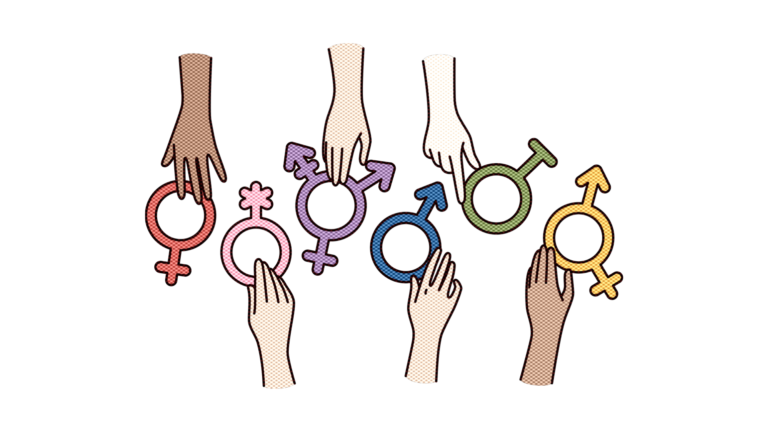
Image Caption: Shared community events help build friendships across cultures.
Everyone Has a Role
Creating welcoming communities is a shared responsibility.
Residents, employers, educators, volunteers, and local organisations all contribute by:
- Encouraging inclusion
- Challenging stereotypes
- Supporting local initiatives
- Respecting cultural differences
- Creating opportunities for participation
Small acts of kindness often have a greater impact than people realise.
“Belonging begins when people feel welcomed not as visitors, but as valued members of the community.”
Looking Ahead
As societies become increasingly connected, migration will continue to shape communities around the world.
Preparing for this future means investing in understanding, accessibility, and opportunities for meaningful connection.
Inclusive communities are more resilient, innovative, and compassionate.
Conclusion
Migration is not only about changing locations—it is about building new lives.
When communities embrace inclusion and create opportunities for belonging, newcomers gain confidence while neighbourhoods become stronger through shared experiences and diverse perspectives.
Everyone benefits when people are given the opportunity to contribute and thrive.