

Introduction
Modern life often celebrates being busy. Full calendars, constant notifications, and long working hours are frequently viewed as signs of success. Yet beneath this culture of productivity, many people are experiencing something very different: burnout.
Burnout is more than simply feeling tired after a long week. It is a state of physical, emotional, and mental exhaustion caused by prolonged stress. It can affect motivation, relationships, confidence, and overall wellbeing.
Learning to rest is not about doing less—it is about creating the balance needed to continue living well.
Recognising the Signs of Burnout
Burnout develops gradually.
Many people first notice small changes, including:
- Feeling exhausted even after sleeping
- Difficulty concentrating
- Increased irritability
- Losing motivation
- Feeling emotionally detached
- Reduced enjoyment in everyday activities
These symptoms often become more noticeable when stress continues without opportunities to recover.
Productivity Without Balance
Society often rewards constant achievement, but human beings are not designed to perform continuously without rest.
Just as athletes schedule recovery days to improve performance, our minds also require periods of rest to remain healthy.
Taking breaks allows the brain to recover, improves creativity, strengthens decision-making, and reduces emotional fatigue.
Rest is an investment—not a reward that must be earned.
Redefining Success
Success should not be measured solely by how busy someone appears.
Healthy success includes:
- Meaningful relationships
- Physical health
- Emotional wellbeing
- Time for hobbies
- Personal growth
- Moments of joy
Creating space for these areas leads to more sustainable happiness.
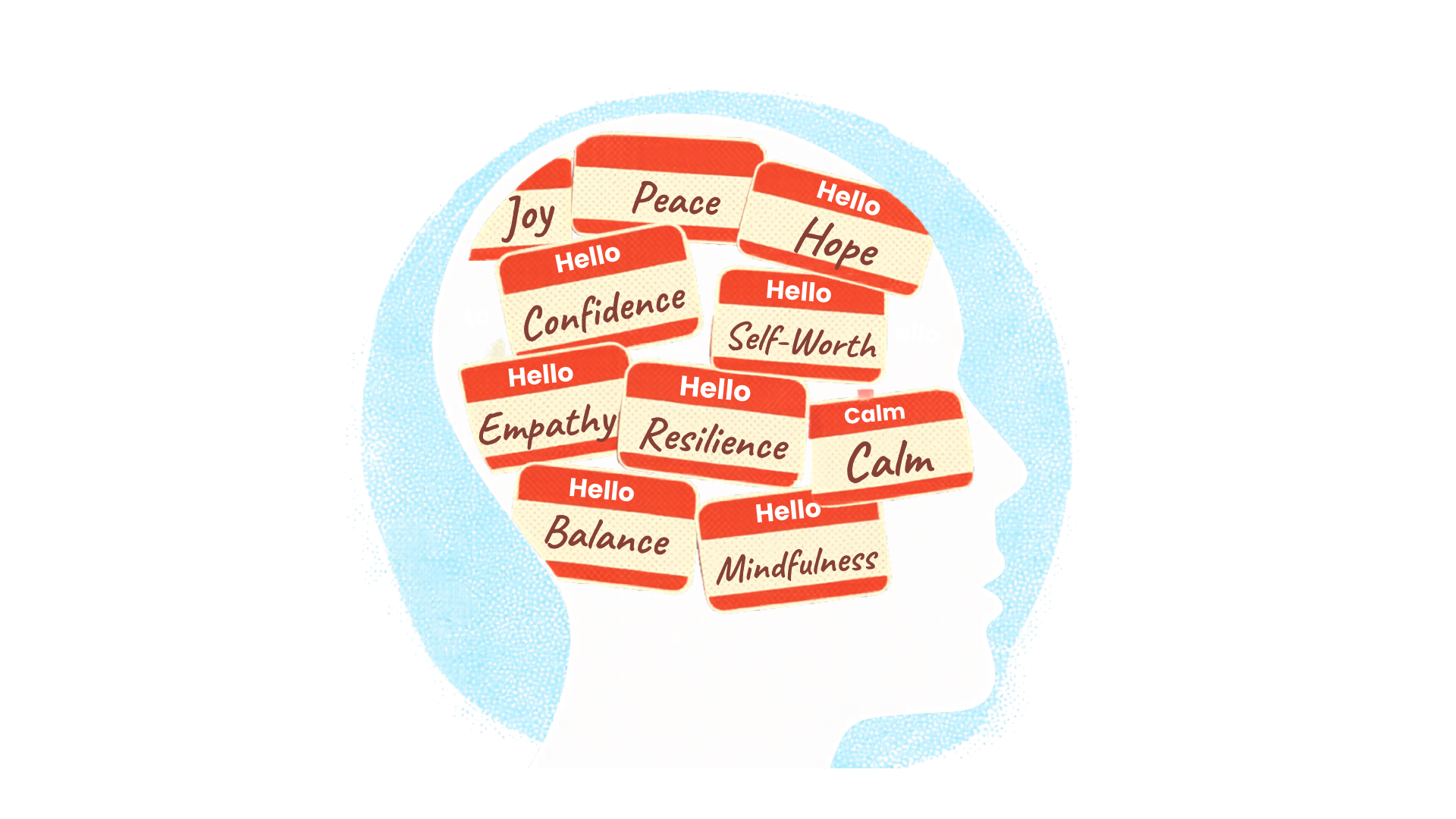
Image Caption: Taking intentional breaks supports both mental clarity and long-term wellbeing.
Practical Ways to Recharge
Rest looks different for everyone.
Some people recharge by spending time in nature.
Others enjoy reading, exercising, cooking, meditation, creative hobbies, or simply spending time with family.
The goal is not to escape responsibilities but to regularly restore energy.
“Rest is productive because it allows us to return with greater clarity, compassion, and resilience.”
Supporting Others
Burnout is often invisible.
Friends, colleagues, and family members may appear to be coping while quietly feeling overwhelmed.
Checking in, encouraging healthy boundaries, and respecting someone’s need for rest helps create healthier workplaces and communities.
When rest becomes normal rather than something to apologise for, everyone benefits.
Conclusion
In a world that often values constant activity, choosing rest can feel uncomfortable. Yet rest is one of the most important tools for protecting mental health.
By recognising burnout early and giving ourselves permission to pause, we build healthier, more balanced lives that are sustainable for the long term.