


Introduction
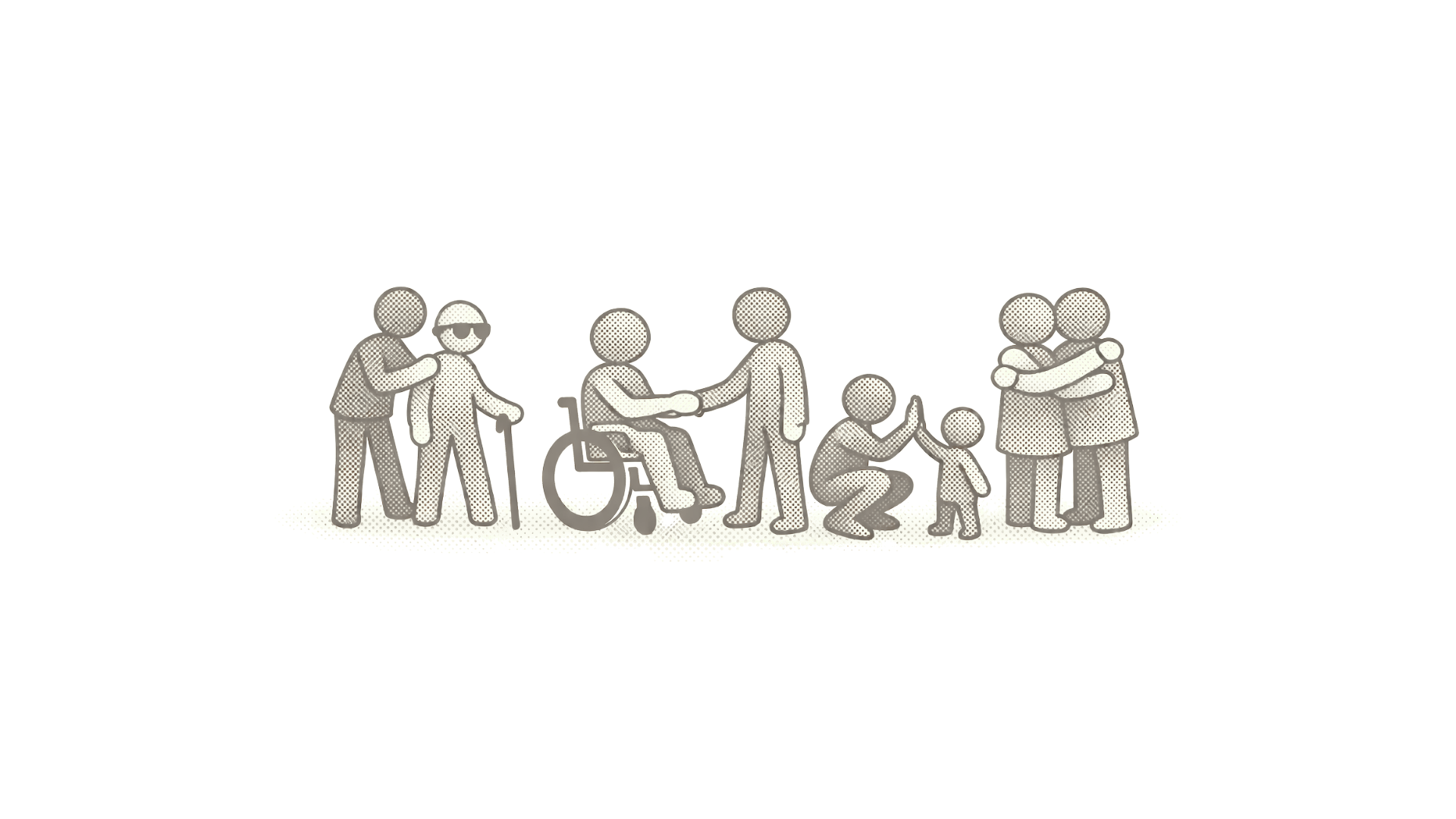
Caregiving is often described as an act of love, but for millions of people, it is also a full-time responsibility that reshapes everyday life. Whether caring for an aging parent, a child with additional needs, a partner recovering from illness, or a friend facing mental health challenges, caregivers provide emotional, physical, and practical support that frequently goes unseen.
While society celebrates compassion, it often overlooks the people carrying that compassion every single day. Behind every appointment, medication schedule, late-night phone call, and reassuring conversation is someone quietly balancing their own wellbeing alongside the needs of another.
Recognising caregivers is not simply about appreciation—it is about building healthier communities where support flows in every direction.
Caregiving Extends Beyond Healthcare
Many people associate caregiving with hospitals or professional services, but the reality is much broader. Informal caregivers make up the largest support network across communities.
They organise transportation, prepare meals, manage finances, advocate during medical appointments, coordinate therapies, and offer emotional reassurance through uncertainty.
These responsibilities often develop gradually. What begins as helping with groceries may evolve into managing daily routines, making important decisions, and becoming someone’s primary source of stability.
For many caregivers, there is no formal training. They simply learn because someone they love needs them.
The Emotional Weight Few People Notice
Caregiving can be deeply meaningful, but it can also be emotionally demanding.
Many caregivers experience feelings such as:
- Constant responsibility
- Social isolation
- Financial pressure
- Physical exhaustion
- Anxiety about the future
- Guilt when taking time for themselves
These emotions rarely appear all at once. Instead, they build quietly over months or even years.
The challenge is that caregivers often feel expected to remain strong regardless of how overwhelmed they become.
Image Caption: Community support groups create spaces where caregivers can share experiences without judgement.
Why Community Makes the Difference
No caregiver should have to navigate challenges alone.
Communities become stronger when neighbours, workplaces, schools, healthcare providers, and local organisations recognise caregiving as a shared responsibility rather than an individual burden.
Simple actions can have meaningful impact:
- Offering flexible working arrangements
- Checking in regularly
- Helping with errands
- Providing respite opportunities
- Creating accessible community spaces
- Encouraging honest conversations about burnout
Support does not always require specialist knowledge. Often, consistency and kindness matter most.
“The strongest communities are not measured by how many people need help, but by how many people are willing to offer it.”
Caring for the Caregiver
One of the biggest misconceptions is that caregivers should always put themselves last.
In reality, sustainable caregiving depends on maintaining personal wellbeing.
Small habits can make a significant difference:
- Scheduling regular breaks
- Maintaining personal friendships
- Seeking peer support groups
- Speaking openly about stress
- Accepting help without guilt
- Celebrating small successes
Looking after yourself is not selfish—it strengthens your ability to support others over the long term.
Building More Inclusive Communities
Inclusive communities recognise that caregiving affects people of every age, culture, profession, and background.
Schools can support young carers.
Employers can introduce caregiver-friendly workplace policies.
Healthcare professionals can communicate with families more effectively.
Local organisations can provide accessible events that reduce social isolation.
Every small improvement creates an environment where caregivers feel valued rather than invisible.
Conclusion
Caregivers are often described as the backbone of families and communities, yet they rarely receive the recognition they deserve. Supporting caregivers is not simply about expressing gratitude—it is about creating systems that allow them to thrive alongside the people they care for.
When communities invest in caregivers, everyone benefits. Relationships become stronger, wellbeing improves, and no one has to face life’s most difficult moments alone.