


Introduction
The spaces we spend time in—whether physical or digital—have a powerful influence on how we think, feel, and interact with the world. A cluttered website, a noisy office, or confusing signage can create unnecessary stress, while a thoughtfully designed environment can help people feel calm, confident, and in control.
Good design is often measured by how attractive something looks, but great design goes much further. It considers comfort, accessibility, and the different ways people experience their surroundings. By creating environments that reduce barriers and support different needs, designers can improve wellbeing for everyone.
When accessibility and inclusion become part of the design process from the beginning, the result is an experience that is not only functional but genuinely welcoming.
The Connection Between Design and Wellbeing
Design influences our emotions more than we often realise.
Bright lighting, excessive noise, complicated layouts, or unclear instructions can increase stress and frustration. On the other hand, organised spaces, intuitive navigation, and predictable layouts help people feel more relaxed and focused.
Whether visiting a public building or browsing a website, people should be able to complete tasks without unnecessary obstacles.
Thoughtful design creates confidence by making everyday experiences simpler and more enjoyable.
Different Minds Experience Spaces Differently
Every individual processes information in their own way.
Some people prefer visual instructions, while others find written guidance more helpful. Some may become overwhelmed by busy environments, while others thrive in energetic spaces.
Recognising these differences is particularly important when designing for neurodivergent individuals, including people with autism, ADHD, dyslexia, and other cognitive differences.
Flexible environments allow everyone to engage in ways that suit them best.
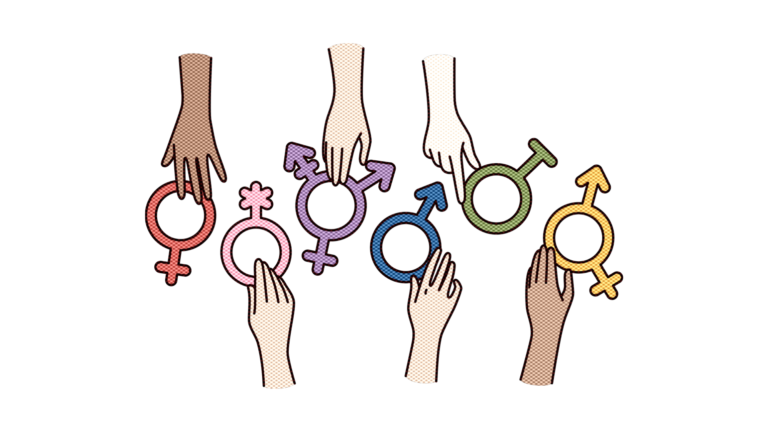
Image Caption: Inclusive environments reduce stress and help people participate with confidence.
Small Design Decisions That Have a Big Impact
Inclusive environments are often built through small but meaningful improvements.
Examples include:
- Using clear, easy-to-read typography
- Creating quiet spaces for focus or rest
- Reducing unnecessary visual clutter
- Providing simple and consistent navigation
- Offering captions for videos and multimedia
- Using clear language instead of technical jargon
These improvements benefit a wide range of users—not only those with specific accessibility needs.
Technology Can Support Inclusion
Technology has opened new opportunities for creating accessible experiences.
Features such as voice assistants, screen readers, adjustable text sizes, speech-to-text tools, and personalised display settings help people interact with digital content in ways that work best for them.
When accessibility is treated as a core feature rather than an optional addition, technology becomes more useful for everyone.
“The best design is often the one that quietly removes barriers before people even notice them.”
Designing With People, Not Assumptions
The most successful designs come from listening to real people.
User feedback helps designers understand challenges they may never have experienced themselves.
By involving people with diverse abilities, backgrounds, and perspectives throughout the design process, organisations create solutions that are more practical, inclusive, and meaningful.
Design becomes stronger when it reflects real human experiences instead of assumptions.
Conclusion
Thoughtful design is about more than appearance—it is about creating environments where people feel comfortable, capable, and included.
By considering accessibility, supporting neurodiversity, and promoting mental wellbeing, designers have the opportunity to create spaces that empower everyone to participate with confidence.
When design puts people first, everyone benefits.