

Introduction
Healthy relationships are often associated with closeness, support, and trust. Equally important, however, are healthy boundaries.
Boundaries help people communicate their needs, protect their wellbeing, and build relationships based on mutual respect rather than expectation or obligation.
Contrary to common misconceptions, boundaries do not create distance. Instead, they provide clarity, encourage honest communication, and allow relationships to thrive in a healthy and sustainable way.
What Are Healthy Boundaries?
Boundaries are personal limits that help individuals feel safe, respected, and comfortable.
They may relate to:
- Personal time
- Emotional wellbeing
- Privacy
- Communication preferences
- Work-life balance
- Physical space
Every person’s boundaries are different, and those differences deserve respect.
Why Boundaries Matter
Without healthy boundaries, people may experience stress, frustration, or emotional exhaustion.
Clear boundaries help:
- Reduce misunderstandings
- Build trust
- Encourage personal responsibility
- Improve communication
- Protect emotional wellbeing
Strong relationships recognise that caring for others also includes respecting individual needs.
Communicating Boundaries Respectfully
Setting boundaries does not require conflict.
Kind and honest communication helps others understand expectations while maintaining respect.
Useful approaches include:
- Speaking clearly and calmly
- Using respectful language
- Explaining personal needs without blame
- Listening to the other person’s perspective
- Remaining consistent over time
Healthy conversations strengthen relationships rather than weaken them.
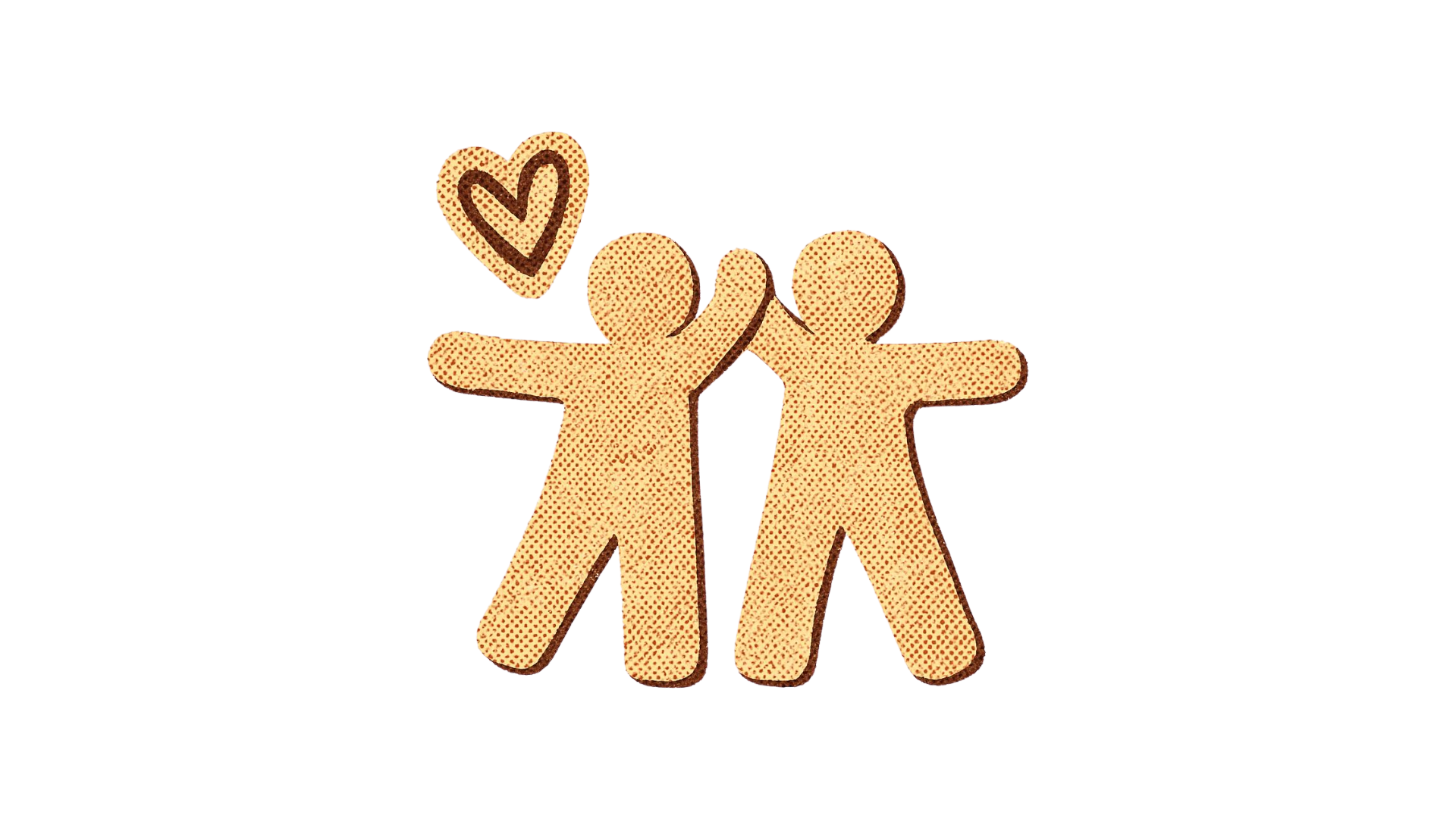
Image Caption: Mutual respect creates healthier and more balanced relationships.
Respect Goes Both Ways
Healthy boundaries are not only about expressing personal needs—they also involve respecting the boundaries of others.
Showing understanding when someone says “no,” giving people space when needed, and avoiding pressure all contribute to stronger, healthier relationships.
Mutual respect builds emotional safety.
“Boundaries are not walls that separate people—they are bridges built on honesty and respect.”
Relationships Continue to Grow
As life changes, boundaries may also change.
Career demands, parenting, health, education, or personal growth can all influence what people need from their relationships.
Regular conversations help ensure that relationships continue to evolve in healthy ways.
Flexibility and understanding are key.
Conclusion
Healthy boundaries create stronger relationships by encouraging trust, respect, and open communication.
Rather than limiting connection, boundaries help people feel valued, understood, and supported.
The strongest relationships are those where both people feel free to be themselves while respecting one another’s needs.