

Introduction
Every person deserves to be recognised and respected for who they are. While people may share similar experiences in many aspects of life, each individual also has a unique sense of identity that shapes how they see themselves and interact with the world.
Gender identity is one part of that personal identity. For some people, it aligns with the sex they were assigned at birth. For others, their experience may be different. Regardless of someone’s identity, every person deserves dignity, respect, and the opportunity to participate fully in their community.
Creating inclusive environments begins not with having all the answers, but with being willing to listen and learn.
Understanding Gender Identity
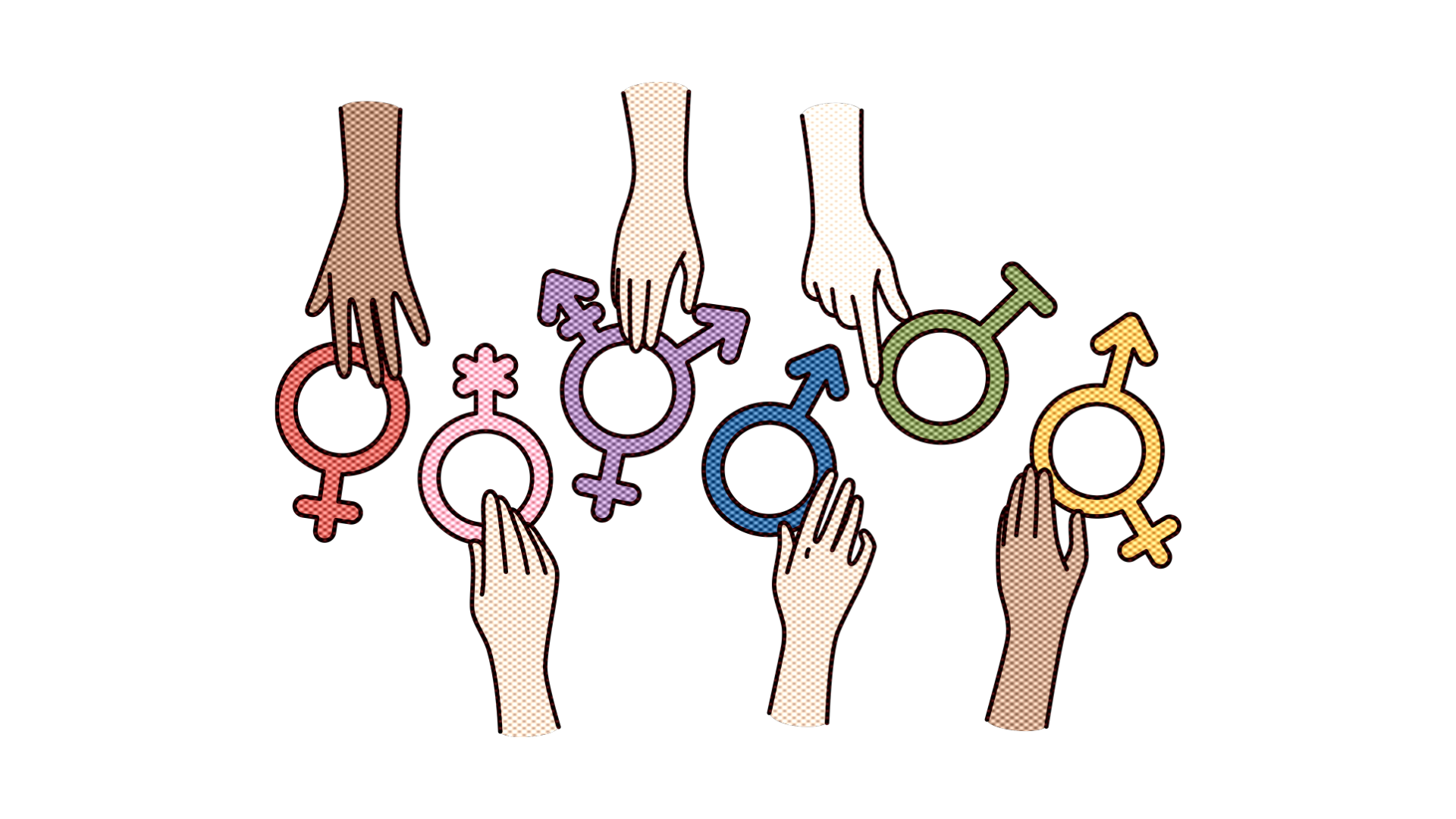
Gender identity refers to a person’s internal understanding and experience of their own gender.
It is deeply personal and may or may not be visible to others.
Every person’s experience is unique, and no one should feel pressured to explain or justify who they are.
Respecting someone’s identity starts by recognising that each individual is the expert on their own lived experience.
Why Respect Makes a Difference
Feeling respected has a significant impact on confidence, wellbeing, and belonging.
Simple actions can create positive experiences, such as:
- Listening without assumptions
- Using respectful language
- Avoiding stereotypes
- Giving people space to express themselves authentically
- Treating everyone with dignity
These everyday behaviours help build stronger relationships and more welcoming communities.
Image Caption: Inclusive communities are built through everyday acts of respect and understanding.
Challenging Assumptions
People often make assumptions based on appearance, clothing, or traditional expectations.
However, identity cannot always be understood through outward appearances.
Approaching conversations with curiosity and kindness instead of assumptions helps create safer and more respectful interactions.
Everyone benefits when people are allowed to be themselves without fear of judgement.
“Respect is not about knowing everything—it begins with treating every person with kindness and dignity.”
Creating Inclusive Communities
Communities become stronger when everyone feels welcome.
Schools, workplaces, organisations, and public spaces can support inclusion by:
- Promoting respectful communication
- Encouraging open dialogue
- Addressing discrimination when it occurs
- Providing inclusive policies
- Celebrating diversity in all its forms
Small actions taken consistently can have a lasting impact.
Conclusion
Understanding gender identity is ultimately about recognising our shared humanity.
When we approach others with empathy, respect, and a willingness to learn, we create communities where everyone feels valued and included.
Inclusion begins with everyday choices—and every person has the ability to contribute.